




Part Two – What Are Experts Saying About the Future of Work? An AGA Roundtable

Back to the blog

Photo blogue partie 2

  • The biggest barriers to the adoption of artificial intelligence (AI) are human, not technical, according to Korn Ferry.

  • Members of Generations Y and Z are in favor of employee benefits, but these must be better tailored to their distinct realities, says TELUS Health.

Because we’re Stronger Together – one of our corporate values – AGA recently held a roundtable discussion with leaders from Russell Investments, TD Asset Management Inc., Korn Ferry and TELUS Health. I was able to dig deeper with them on important trends influencing the future of work and share the expected impact on plan sponsors tasked with designing benefits that meet these new realities.

Below is the second part of the summary of this roundtable discussion, covering two topics: the impact of artificial intelligence (AI) on organizations and workers, and mental health. You can read the first part (which dealt with financial resilience and investment risk management) in our previous article

AI: Ready…or Not

Few topics dominate leadership conversations as much as AI. Its influence touches every function—from operations to HR—and the pace of change is accelerating. Yet a readiness gap has emerged.

According to Korn Ferry1, 78% of leaders believe they understand AI’s implications, but only 39% of workers agree. Among HR executives, 42% report prioritizing AI adoption, yet only 5% of their teams feel prepared to use it effectively. Forty-three percent of Canadian workers expect AI to alter their jobs, but perceptions vary widely by industry: 70% of tech employees foresee transformation, while laborers and service-sector employees are nearly twice as likely as office workers to believe AI will not impact their roles. Bridging this perception gap is crucial to organizational cohesion. As Korn Ferry’s Human + AI research shows, the biggest barriers to AI are human, not technical.

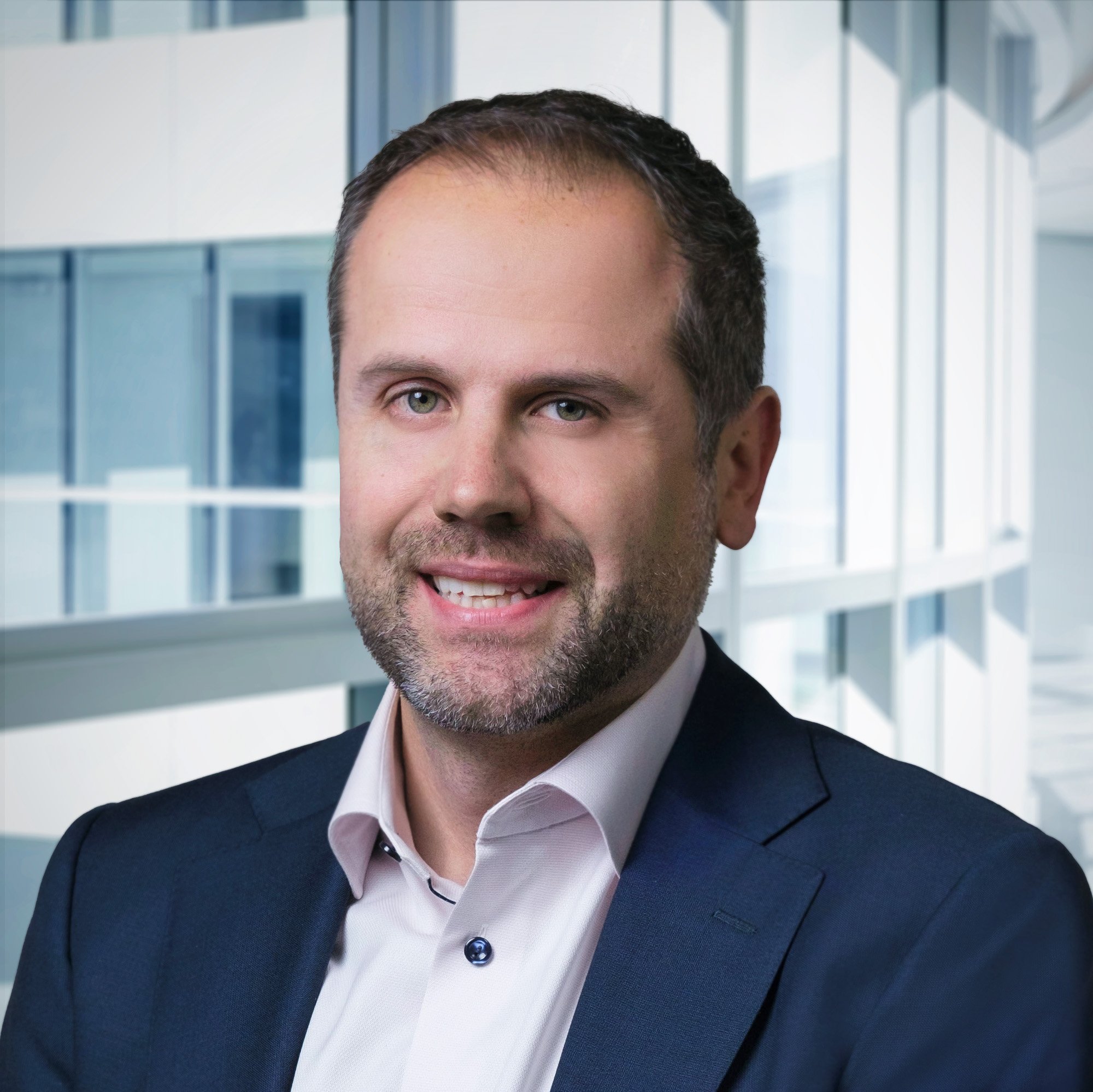
Ackermann Headshot June 2024 (1)-1   When the transformation gets tough or the path isn’t clear, AI-ready leaders are the anchor that holds the vision steady. Leaders must take responsibility for redesigning jobs and work structures to integrate AI, rather than simply providing tools like ChatGPT and expecting productivity gains without further action. ”  Bryan Ackermann, Head of AI Strategy & Transformation, Korn Ferry

AI anxiety is also emerging as a significant mental health challenge. Workers who fear job loss or feel unprepared for AI-driven change report notably higher stress and lower mental well-being. The issue is not just technological but psychological. Transparency and communication from leadership are powerful antidotes—helping employees reframe AI as an enabler rather than a threat. Plan sponsors have a vested interest in expanding mental health coverage and access to counselling, coaching, and preventive care. Supporting employees through this technological transition is not only a moral imperative but also a driver of engagement and performance.

Designing Benefits for a New Workforce Reality

Remember when we were told a younger workforce would not want employee benefits? Think again. Each generation brings distinct needs and stressors. Financial and health concerns are universal, but Millennials and Gen Z report unique pressures—ranging from cost-of-living challenges to self-esteem and social isolation.


When 47% of Millennials/Gen Z feel overwhelmed by their responsibilities compared to 36% of working Canadians overall, and work issues are their primary source of feeling overwhelmed, we need to respond with benefits that address their actual lived experiences. Paula Allen, Global Leader, Research, Insights and Strategic Communications, TELUS Health   P Allen - headshot -1

Younger employees also approach wellness more holistically. They are 25% more likely to want enhanced coverage for alternative therapies such as chiropractic, naturopathy, and massage, reflecting a more integrative view of health. Moreover, nearly one-third rank personal finances as their top stressor, highlighting an opportunity for employers to enhance financial wellness support—an area currently rated lowest across all benefit categories. Mental health remains paramount. Millennials and Gen Z are nearly twice as likely as older colleagues to say their mental health affects productivity. Traditional benefits focused on crisis response are no longer sufficient. Plan sponsors must evolve toward preventive, accessible, and stigma-free mental health supports that blend into the daily employee experience.

Want to Know More?

This roundtable discussion was part of the content of AGA's first Innovate to Lead report, in which we present the major trends for 2026 in group insurance, pension and savings plans, and human resources for Canadian plan sponsors. This report, which aims to share the knowledge and observations of the AGA team, can be obtained by clicking this link.

Thanks to our collaborators:

KORN FERRY is a global consulting firm that powers performance. We unlock the potential in your people and unleash transformation across your business—synchronizing strategy, operations, and talent to accelerate performance, fuel growth, and inspire a legacy of change. That’s why the world’s most forward-thinking companies across every major industry turn to us—for a shared commitment to lasting impact and the bold ambition to Be More Than.  

TELUS HEALTH is on a mission to become the most trusted wellbeing company in the world by enhancing the overall efficiency of healthcare and championing workplace wellbeing. By integrating advanced healthcare technology with comprehensive employee support services, TELUS Health provides a holistic approach to primary and preventive health and wellbeing.


1
Korn Ferry Institute

Part Two – What Are Experts Saying About the Future of Work? An AGA Roundtable

Photo blogue partie 2

  • The biggest barriers to the adoption of artificial intelligence (AI) are human, not technical, according to Korn Ferry.

  • Members of Generations Y and Z are in favor of employee benefits, but these must be better tailored to their distinct realities, says TELUS Health.

Because we’re Stronger Together – one of our corporate values – AGA recently held a roundtable discussion with leaders from Russell Investments, TD Asset Management Inc., Korn Ferry and TELUS Health. I was able to dig deeper with them on important trends influencing the future of work and share the expected impact on plan sponsors tasked with designing benefits that meet these new realities.

Below is the second part of the summary of this roundtable discussion, covering two topics: the impact of artificial intelligence (AI) on organizations and workers, and mental health. You can read the first part (which dealt with financial resilience and investment risk management) in our previous article

AI: Ready…or Not

Few topics dominate leadership conversations as much as AI. Its influence touches every function—from operations to HR—and the pace of change is accelerating. Yet a readiness gap has emerged.

According to Korn Ferry1, 78% of leaders believe they understand AI’s implications, but only 39% of workers agree. Among HR executives, 42% report prioritizing AI adoption, yet only 5% of their teams feel prepared to use it effectively. Forty-three percent of Canadian workers expect AI to alter their jobs, but perceptions vary widely by industry: 70% of tech employees foresee transformation, while laborers and service-sector employees are nearly twice as likely as office workers to believe AI will not impact their roles. Bridging this perception gap is crucial to organizational cohesion. As Korn Ferry’s Human + AI research shows, the biggest barriers to AI are human, not technical.

Ackermann Headshot June 2024 (1)-1   When the transformation gets tough or the path isn’t clear, AI-ready leaders are the anchor that holds the vision steady. Leaders must take responsibility for redesigning jobs and work structures to integrate AI, rather than simply providing tools like ChatGPT and expecting productivity gains without further action. ”  Bryan Ackermann, Head of AI Strategy & Transformation, Korn Ferry

AI anxiety is also emerging as a significant mental health challenge. Workers who fear job loss or feel unprepared for AI-driven change report notably higher stress and lower mental well-being. The issue is not just technological but psychological. Transparency and communication from leadership are powerful antidotes—helping employees reframe AI as an enabler rather than a threat. Plan sponsors have a vested interest in expanding mental health coverage and access to counselling, coaching, and preventive care. Supporting employees through this technological transition is not only a moral imperative but also a driver of engagement and performance.

Designing Benefits for a New Workforce Reality

Remember when we were told a younger workforce would not want employee benefits? Think again. Each generation brings distinct needs and stressors. Financial and health concerns are universal, but Millennials and Gen Z report unique pressures—ranging from cost-of-living challenges to self-esteem and social isolation.


When 47% of Millennials/Gen Z feel overwhelmed by their responsibilities compared to 36% of working Canadians overall, and work issues are their primary source of feeling overwhelmed, we need to respond with benefits that address their actual lived experiences. Paula Allen, Global Leader, Research, Insights and Strategic Communications, TELUS Health   P Allen - headshot -1

Younger employees also approach wellness more holistically. They are 25% more likely to want enhanced coverage for alternative therapies such as chiropractic, naturopathy, and massage, reflecting a more integrative view of health. Moreover, nearly one-third rank personal finances as their top stressor, highlighting an opportunity for employers to enhance financial wellness support—an area currently rated lowest across all benefit categories. Mental health remains paramount. Millennials and Gen Z are nearly twice as likely as older colleagues to say their mental health affects productivity. Traditional benefits focused on crisis response are no longer sufficient. Plan sponsors must evolve toward preventive, accessible, and stigma-free mental health supports that blend into the daily employee experience.

Want to Know More?

This roundtable discussion was part of the content of AGA's first Innovate to Lead report, in which we present the major trends for 2026 in group insurance, pension and savings plans, and human resources for Canadian plan sponsors. This report, which aims to share the knowledge and observations of the AGA team, can be obtained by clicking this link.

Thanks to our collaborators:

KORN FERRY is a global consulting firm that powers performance. We unlock the potential in your people and unleash transformation across your business—synchronizing strategy, operations, and talent to accelerate performance, fuel growth, and inspire a legacy of change. That’s why the world’s most forward-thinking companies across every major industry turn to us—for a shared commitment to lasting impact and the bold ambition to Be More Than.  

TELUS HEALTH is on a mission to become the most trusted wellbeing company in the world by enhancing the overall efficiency of healthcare and championing workplace wellbeing. By integrating advanced healthcare technology with comprehensive employee support services, TELUS Health provides a holistic approach to primary and preventive health and wellbeing.


1
Korn Ferry Institute